Enzyme Tenderizing for Injected, Tumbled and Vacuum-Marinated Chicken
Marinated chicken lines need a tenderness target they can hit every shift. The hard part is not softening meat; it is getting there without purge, mushy texture, batch drift, or labeling surprises once the product is injected, tumbled, held, cooked, and packed.
Enzymesimpact supplies production volumes of tenderizing enzymes to poultry further processors, marinade and brine manufacturers, and the distributors that serve them. We work with R&D, QA, process engineering, and procurement teams that need a practical enzyme path for high-throughput marinated chicken programs.
Request a quote: send the product, the quantity, and the destination country.
Enzyme tenderizing support for real poultry lines
Marinated chicken processing has several moving variables: raw material condition, brine composition, injection pickup, vacuum cycle, tumble profile, dwell time, chill control, thermal step, and packaging format. Enzyme performance must fit that system instead of forcing the plant to redesign the line.
Enzymesimpact helps teams evaluate bulk protease solutions for:
- Injected chicken breast, fillets, strips, and portion-controlled items
- Vacuum-marinated chicken for foodservice or industrial further use
- Tumbled poultry products where tenderness and bite consistency are critical
- Value-added chicken programs with defined sensory and texture targets
- Process validation work before commercial launch or supplier transition
What your plant is usually trying to control
Enzymes can improve bite and eating quality, but uncontrolled tenderization creates risk. Enzymesimpact focuses on a controlled processing window, so your team can define where the enzyme helps and where it needs limits.
Common project goals include:
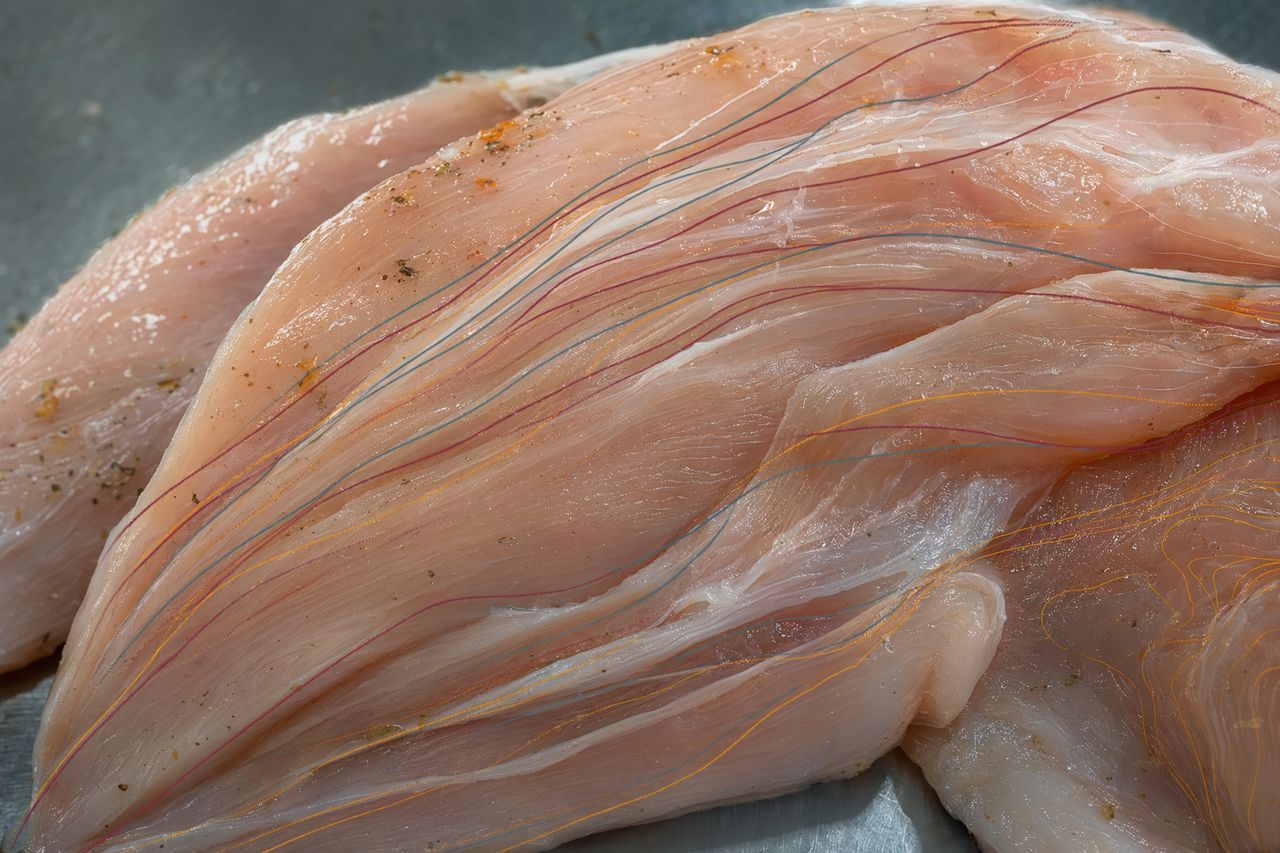
- Improve tenderness while preserving recognizable muscle texture
- Reduce batch-to-batch variation across raw material lots
- Maintain yield expectations through marination, chill hold, cooking, and packaging
- Avoid surface breakdown, excessive softness, or poor slice integrity
- Support cleaner validation data for R&D and QA sign-off
- Build a repeatable process that operators can run on existing equipment
Built around injected, tumbled, and vacuum-marinated formats
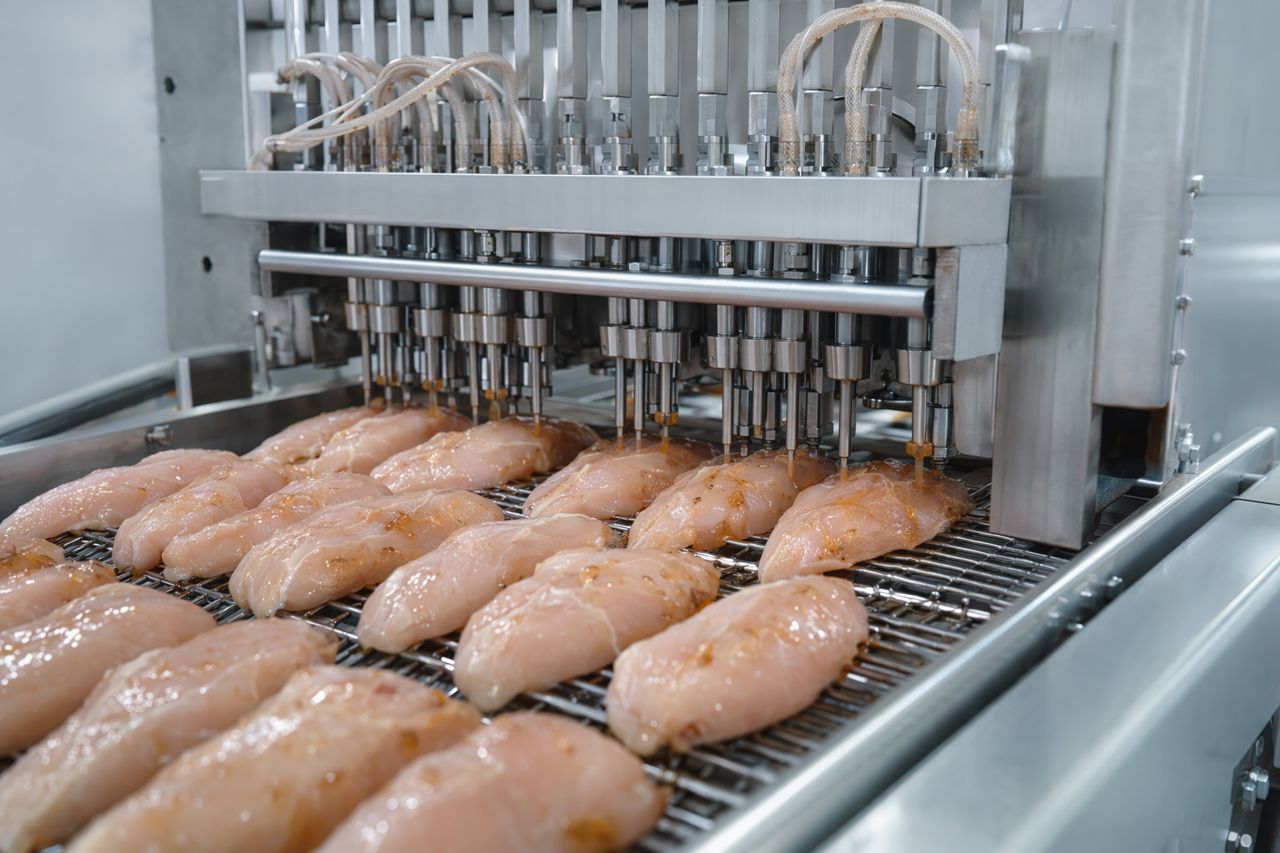
Injected marinated chicken
For injected products, enzyme behavior depends on marinade distribution, brine design, needle pattern, product thickness, and post-injection handling. Enzymesimpact supports evaluation around injection pickup targets, hydration sequence, hold conditions, and downstream cooking so the tenderizing effect is distributed and controlled.
Tumbled chicken
In tumbling systems, mechanical action, vacuum, dwell time, and protein extraction all influence final bite. Enzymesimpact helps your team assess enzyme compatibility with the tumble profile and finished texture requirements, especially where the product must remain intact during packing, cooking, or further slicing.
Vacuum-marinated chicken
Vacuum marination can accelerate marinade movement, but it also narrows the margin for over-processing. We help define a use window that fits your chill room, batching rhythm, and product release schedule.
Application priorities we discuss before quoting
A useful bulk enzyme quote should be tied to the way your plant actually runs. Before recommending a supply path, Enzymesimpact typically reviews:
- Product format and muscle type
- Current marinade or brine design
- Salt, phosphate, acid, starch, fiber, flavor, and binder considerations
- Injection, tumble, or vacuum process sequence
- Target tenderness profile and unacceptable texture defects
- Chill hold and dwell time before cooking or packing
- Thermal process and finished product format
- Label requirements and customer specification limits
- Trial size, scale-up timing, and commercial volume expectations
This gives procurement a quote that is grounded in the application, not just a generic ingredient listing.
Label and specification considerations
Enzyme use in marinated poultry must align with the finished product claim structure, customer specifications, and internal documentation. Enzymesimpact supports your team with ingredient information, lot documentation, and practical guidance for technical review. Final label decisions remain with your regulatory and customer approval process, but we help provide the information needed for that review.
Validation trial support
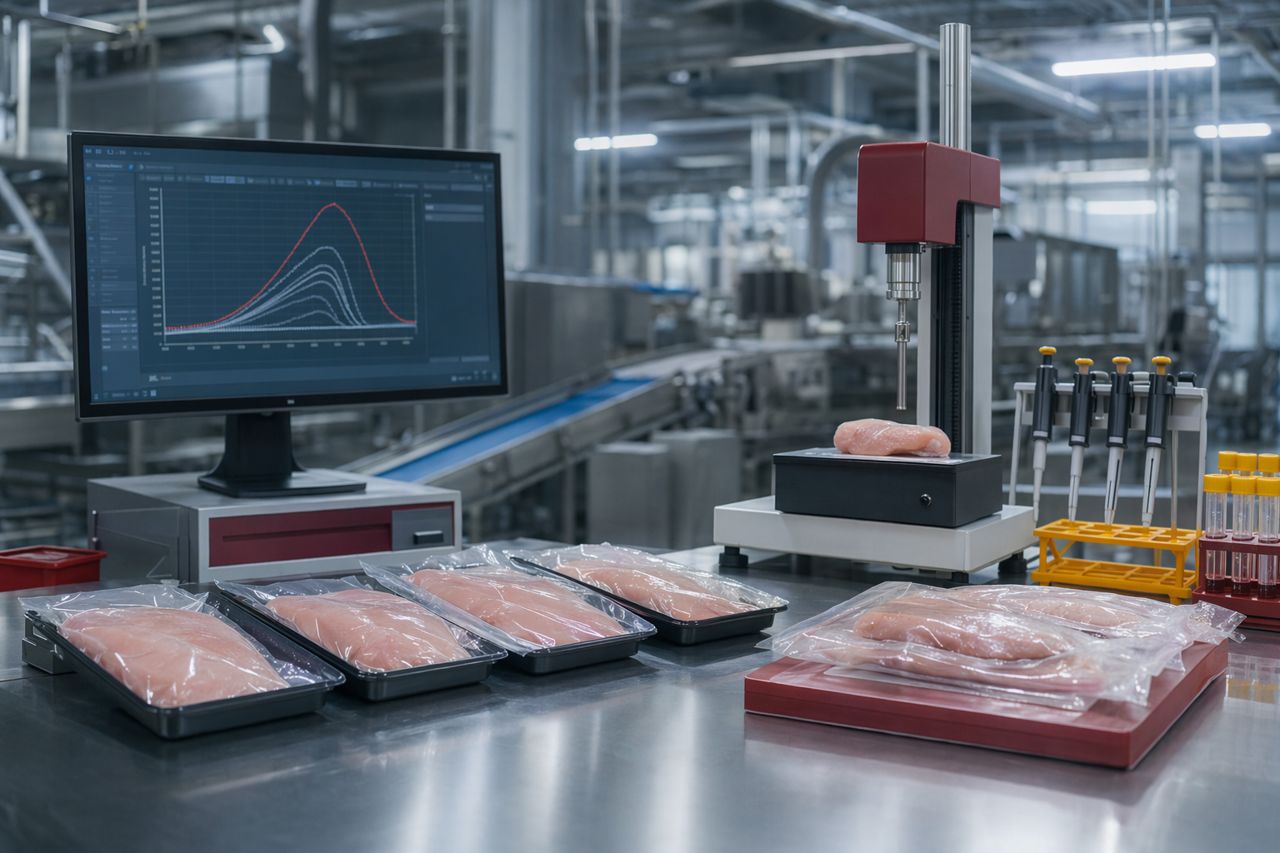
For R&D and process teams, trial design matters. A tenderizing enzyme should be evaluated against a clear control and judged by the product attributes that matter commercially.
Typical validation checkpoints include:
- Raw material variability across lots or suppliers
- Marinade preparation and addition sequence
- Distribution through injection, tumbling, or vacuum marination
- Texture after dwell time and after cooking
- Purge, yield, sliceability, and bite quality
- Operator handling and batch documentation
- Sensory alignment with the target product standard
Enzymesimpact can support bench screening, pilot work, and plant-scale validation planning so the process can move from R&D to production with fewer surprises.
Why plants choose Enzymesimpact
Enzymesimpact is built for industrial buyers who need technical supply, not retail-style ordering. Our role is to help your team select a fit-for-purpose enzyme system and make it work inside your production constraints.
Practical benefits
- Bulk supply for commercial marinated chicken programs
- Support for tenderness targets and texture repeatability
- Guidance for process windows and scale-up trials
- Compatibility review with existing brines and marinade systems
- Lot traceability and documentation for procurement and QA
- Technical conversation with people who understand plant constraints
Request a quote
If your plant is developing, scaling, or improving an enzyme-marinated chicken program, or you supply marinades and ingredients to plants that are, send your details through the on-site quote form. Include product format, marinade type, process method, target texture, expected volume per order or per year, delivery country, and any label or customer specification requirements.
Pricing, pack sizes, and lead times are quoted per order. Enzymesimpact will review the application and respond with a wholesale supply path suited to your processing conditions.